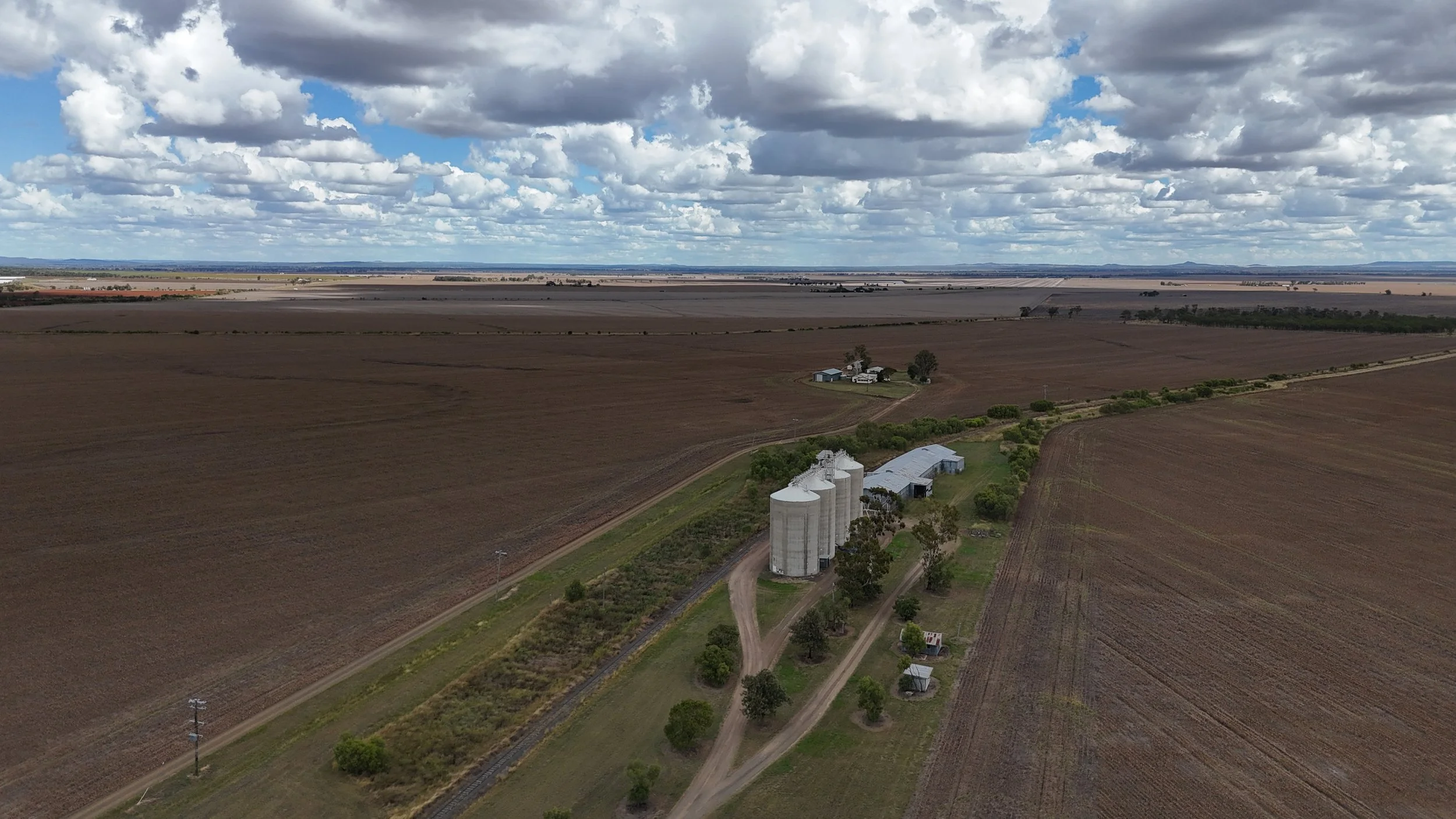
Queensland Heat Will Ground Your Drone Before You Even Take Off
It wasn't a technical fault. It wasn't pilot error. The drone just sat there in the sun — and by the time I was ready to fly, it was already too hot to operate.
It was a straightforward site visit. Equipment packed, site confirmed, conditions looked fine. I set up, powered on, and ran through pre-flight. By the time I was ready to launch, the drone had been sitting stationary — battery in, not running — for maybe fifteen minutes in direct Queensland sun.
The thermal warning came up before I ever got airborne. The aircraft was already over temperature threshold just from ambient heat absorption. No flight. Not that day.
The drone wasn't running. It wasn't doing anything. Queensland in summer did all the work.
What most operators don't account for is that modern drones — particularly compact units — absorb heat quickly in direct sunlight even when powered down or idle. The battery sitting inside a dark casing in 35°C+ conditions with no airflow will push internal temps well above safe operating limits before the rotors ever spin.
The fix was straightforward once I understood the problem. Battery out. Aircraft into the car with the air conditioning running. Twenty minutes later, temperatures were back within range and we flew without issue.
But that's twenty minutes of lost time, a delayed client, and a lesson that didn't need to happen twice.
What I do now: Equipment stays shaded and cool until immediately before flight. Battery goes in last. In high-heat conditions, I factor a pre-flight cool-down window into the site schedule. If the aircraft has been in a hot vehicle or exposed to direct sun, it gets time to normalise before power-on.
In Queensland, heat management isn't an edge case. It's part of the job.
// OPERATOR TAKEAWAYS
Keep equipment shaded until immediately before deployment
Insert the battery last — not during setup
Budget extra time on hot days for equipment normalisation
If the aircraft has been in a hot vehicle, allow it to cool before power-on
Thermal warnings before takeoff are the drone doing its job — don't override them